Archives
- 2026-10
- 2026-09
- 2026-08
- 2026-07
- 2026-06
- 2026-05
- 2026-04
- 2026-03
- 2026-02
- 2026-01
- 2025-12
- 2025-11
- 2025-10
- 2025-09
- 2025-03
- 2025-02
- 2025-01
- 2024-12
- 2024-11
- 2024-10
- 2024-09
- 2024-08
- 2024-07
- 2024-06
- 2024-05
- 2024-04
- 2024-03
- 2024-02
- 2024-01
- 2023-12
- 2023-11
- 2023-10
- 2023-09
- 2023-08
- 2023-07
- 2023-06
- 2023-05
- 2023-04
- 2023-03
- 2023-02
- 2023-01
- 2022-12
- 2022-11
- 2022-10
- 2022-09
- 2022-08
- 2022-07
- 2022-06
- 2022-05
- 2022-04
- 2022-03
- 2022-02
- 2022-01
-
H-Lys(Z)-OH receptor Inhibition of autophagy has been shown
2023-09-27
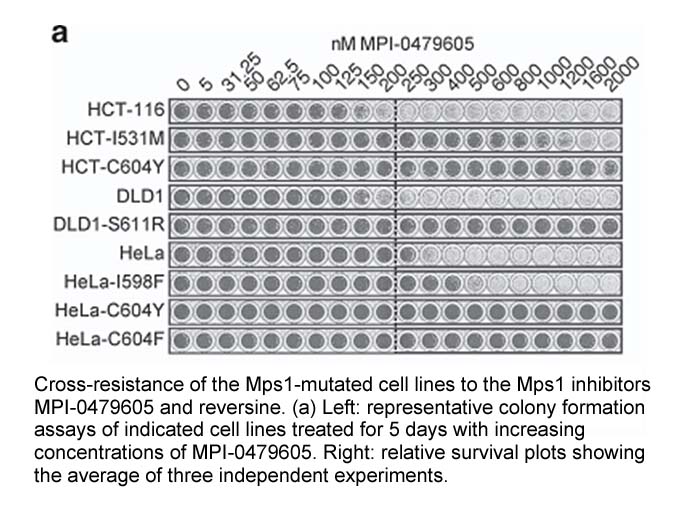
Inhibition of autophagy has been shown to alleviate neuronal damage after cerebral ischemia, both in cell culture and rodent models (Koike et al., 2008, Li et al., 2015, Wang et al., 2016, Zhang et al., 2014, Zheng et al., 2014). Therefore, blockage of autophagy is a potential target for prevention
-
Glycerol dehydratase GDHt EC is a key
2023-09-27
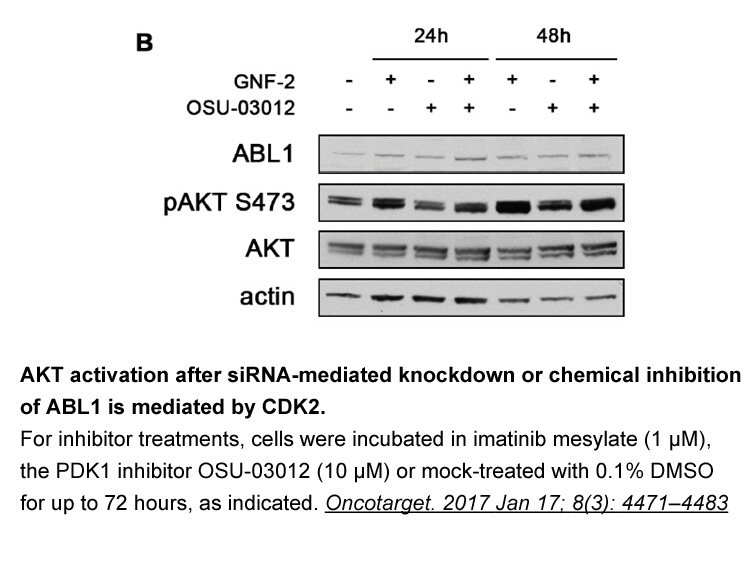
Glycerol dehydratase (GDHt, EC 4.2.1.30) is a key enzyme for the bioconversion of glycerol into the value-added chemicals and thereby has recently attracted a great deal of attention as an essential component for metabolic engineering . GDHt carries out a radical-mediated turnover of glycerol into 3
-
The dependence of blood cell production on a
2023-09-27
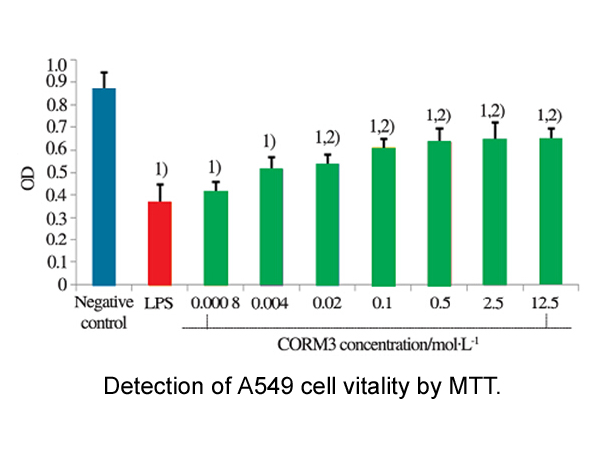
The dependence of blood cell production on a limited number of HSC and HPC (hereafter collectively referred to as HSPC) means that protection from potential toxins is essential for maintenance of the hematologic system (see Fig. 1). For example, the generation of blood cells within the intramedullar
-
Since non lipoprotein derived free cholesterol is recycled
2023-09-27
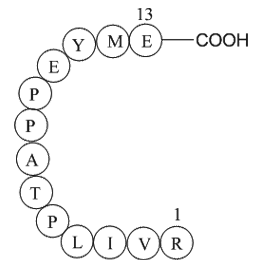
Since non-lipoprotein-derived free cholesterol is recycled from the plasma membrane through the endosomal system through receptor-independent mechanisms, we wanted to determine whether ABCA2 could alter the trafficking of this source of free cholesterol. Our approach was to measure the effect of mob
-
It could be hypothesized that the adiponectin
2023-09-27
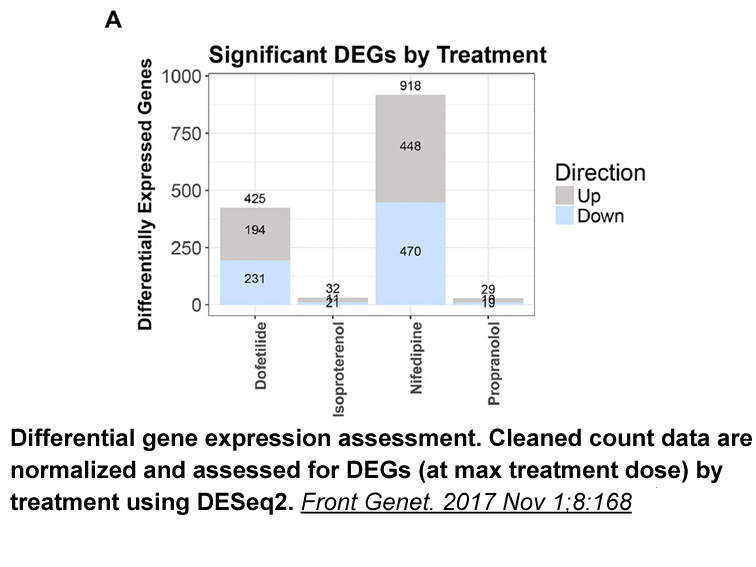
It could be hypothesized that the adiponectin system is regulated by gonadal steroid hormones. The lowest concentrations of adiponectin, AdipoR1 and AdipoR2 proteins in the endometrium and myometrium during the mid-luteal and late-luteal phases suggest that progesterone suppresses the expression of
-
The effect of capital deductions on
2023-09-26
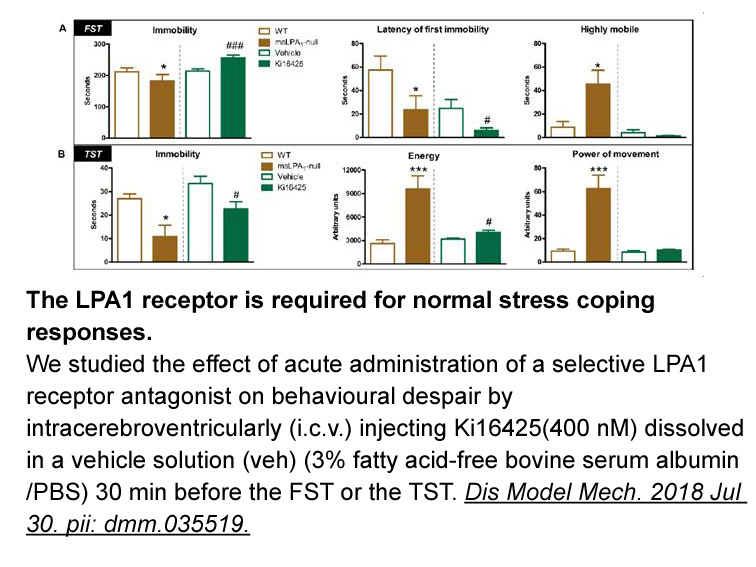
The effect of capital deductions on equilibrium prices is given by the following comparative statics Thus, equilibrium prices are strictly decreasing in the share of capital cost deduction. The reason is that a higher share of capital cost deduction reduces the effective marginal costs, which makes
-
hydroxydopamine OHDA is a selective
2023-09-26
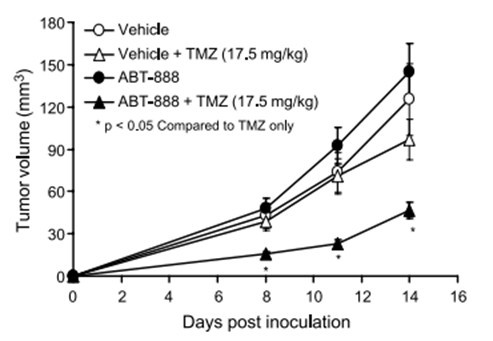
6-hydroxydopamine (6-OHDA) is a selective catecholaminergic neurotoxin mainly used to generate lesions in the nigrostriatal pathway in rats (Ungerstedt, 1968). The most common use of 6-OHDA is via unilateral injection into the rat medial forebrain bundle (MFB). DA depletion, nigral DA cell loss, and
-
br Acknowledgment br Introduction The yeast Cdc ATPase and i
2023-09-26

Acknowledgment Introduction The yeast Cdc48 ATPase and its metazoan ortholog p97 (or VCP) are critical components of many ubiquitin-dependent cellular pathways that require the segregation of individual proteins from binding partners or membranes (for review, see Buchberger, 2013, Meyer and We
-
Salvia the largest genus in the family Lamiaceae
2023-09-26
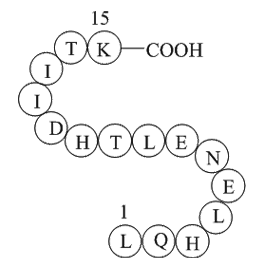
Salvia, the largest genus in the family Lamiaceae, comprises over 900 species that are distributed globally [14], [15], [16]. The genus Salvia has been assessed in many studies because it is a rich source of polyphenol compounds, of which more than 160 have been isolated from plants in the genus, so
-
We found that several anticancer drugs inhibit
2023-09-26
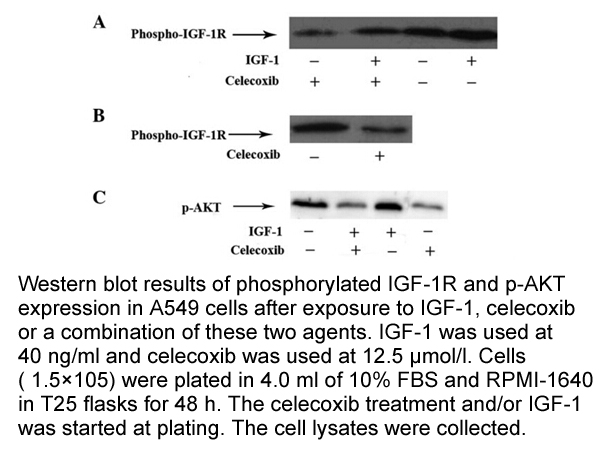
We found that several anticancer drugs inhibit 5-HT3 RK-33 australia current in vitro. Several studies have suggested that 5-HT3 receptor antagonists have anti-mitogenic and apoptotic effects on colorectal and breast cancer cell lines (Ataee et al., 2010, Hejazi et al., 2015). Irinotecan is used fr
-
SB 431542 br Conflict of Interest br Transparency Document b
2023-09-26

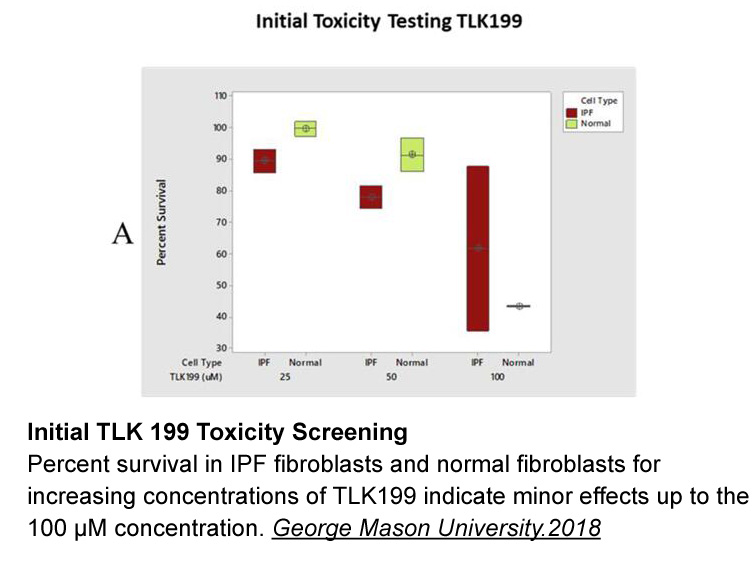
Conflict of Interest Transparency Document Introduction Mitoxantrone (MXT) is an androstenedione chemotherapeutic agent that is used to treat acute nonlymphocytic leukemia, acute lymphoblastic leukemia, prostate cancer, metastatic breast cancer, and non-Hodgkin’s lymphoma [13], [14]. It is
-
br Introduction The chronic inflammation is one
2023-09-26
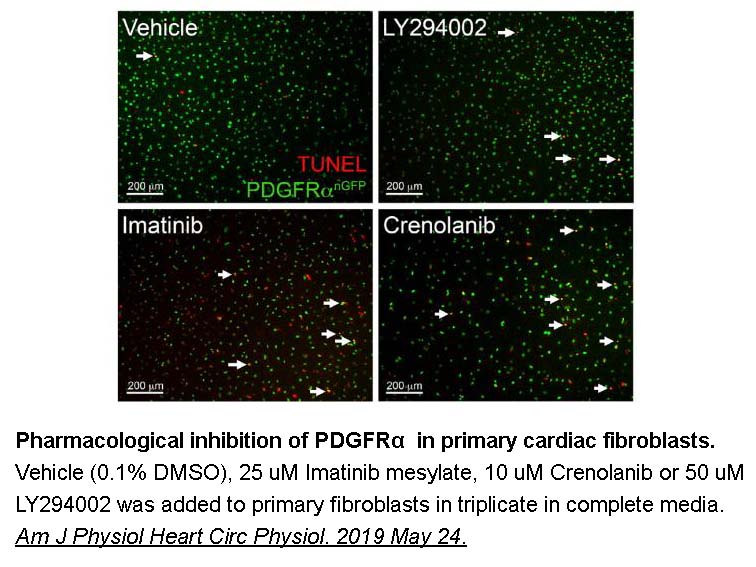
Introduction The chronic inflammation is one of the leading events involved in the aetiology of many chronic-degenerative diseases including diabetes, atherosclerosis, arthritis and cancer (Coussens and Werb, 2002). Monocytes/macrophages lineage plays an important role during inflammation through
-
Finally one can ask whether these results throw any light
2023-09-25
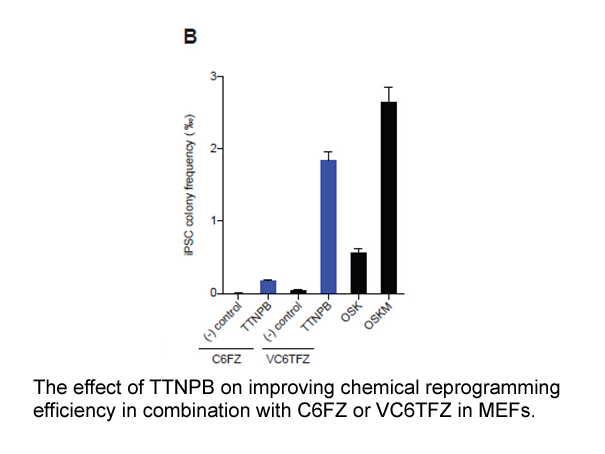
Finally, one can ask whether these results throw any light on the nature of the target in SNMG patients. Interestingly, the results of the in vitro incubations suggested that SNMG sera might increase AChR expression to a small extent, raising the possibility that SNMG patients, who have thymic chang
-
Subsequently Palvimaki et al corroborated Ni
2023-09-25
Subsequently, Palvimaki et al. (1999) corroborated Ni and Miledi's study by demonstrating that treatment with fluoxetine leads to 43% occupancy of the 5-HT2C receptors. Moreover, the affinity of fluoxetine for 5HT2C receptors (Ki 65 nM) is close to its affinity for 5-HT transporters (Ki 33 nM) (Ni a
-
Autophagy and apoptosis have a
2023-09-25
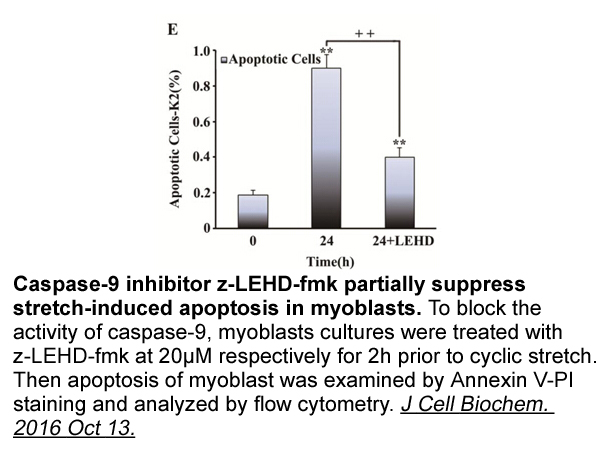
Autophagy and apoptosis have a very complex relationship, and the precise mechanism remains to be determined. At present, a large amount of research has confirmed that autophagy can protect the cell from apoptosis in special conditions such as nutrient deficiency or growth factors deprivation; the e
8570 records 309/572 page Previous Next First page 上5页 306307308309310 下5页 Last page